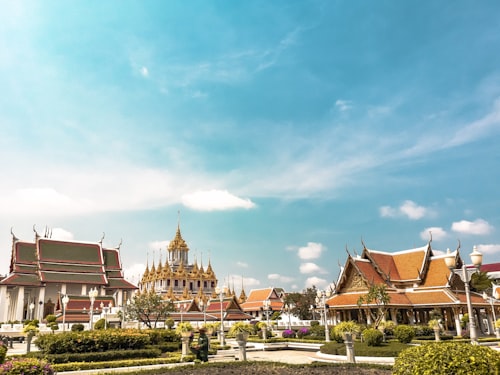
The Rose of the North — where ancient Lanna kingdoms left behind a legacy of 300 temples, and misty mountains guard a city that hums with creative energy.
Best months
Nov – Feb
Ideal stay
4 – 7 days
Daily budget
฿900 – ฿1,700
Airport
CNX International
Best for
Digital nomadsSlow travelLanna cultureMountainsCooking classes
Avoid if
Burning season Feb-Apr (AQI risk)You want big-city energyYou only want beaches
The Rose of the North
Chiang Mai is the spiritual and cultural counterweight to Bangkok's chaos. Nestled in a lush valley surrounded by Thailand's highest peaks, this 700-year-old city was once the capital of the Lanna Kingdom — and it still carries that regal, independent spirit.
Today it's a magnet for digital nomads, artists, meditators, and food lovers. The Old City's crumbling walls contain more temples per square kilometer than almost anywhere on Earth. Step outside, and you'll find trendy cafés, weekend night markets stretching for miles, and jungle-covered mountains within a 30-minute drive.
Chiang Mai moves at its own pace. It invites you to slow down, and that's precisely the point.
Must-See Highlights
From mountain-top temples to bustling night bazaars — the experiences that define Chiang Mai.
Temple
Doi Suthep
Market
Sunday Walking Street
Nature
Doi Inthanon
Heritage
Old City Temples
Neighborhoods
Chiang Mai's distinct areas each serve a different mood — from ancient temple grounds to trendy café streets.
Old City
เมืองเก่า
The moat-encircled heart of Lanna civilization. Over 30 temples within walking distance, guesthouses, and the famous Sunday Walking Street market.
TemplesHistoryMarkets
Nimman
นิมมานเหมินท์
Chiang Mai's hipster heart — specialty coffee shops, co-working spaces, boutique hotels, art galleries, and some of the best brunch spots in Southeast Asia.
CafésDigital NomadsShopping
Riverside
ริมแม่น้ำปิง
The Ping River corridor offers sunset cocktails, night bazaars, and a more relaxed vibe. Home to the legendary Warorot Market and charming riverside restaurants.
DiningNight MarketRelaxed
Doi Suthep & University
ดอยสุเทพ
The mountain district — Chiang Mai University gives it youthful energy, while the road up to Doi Suthep temple passes waterfalls and tribal villages.
NatureSpiritualViews
What to Eat
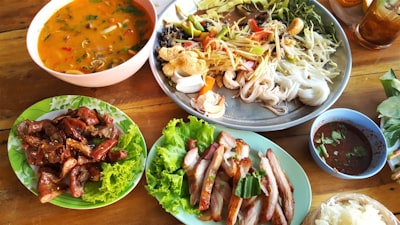
Northern Thai cuisine (อาหารเหนือ) is distinct from the rest of Thailand — earthier, herbier, and less sweet. These dishes are Chiang Mai essentials.
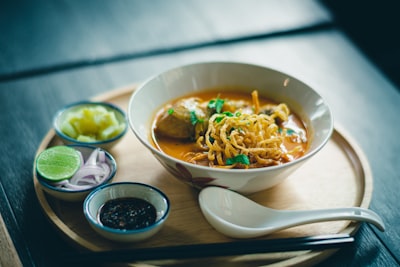
Khao Soi
ข้าวซอย
Coconut curry noodle soup topped with crispy fried noodles — Chiang Mai's signature dish and reason enough to visit.
Sai Oua
ไส้อั่ว
Northern Thai herbal sausage packed with lemongrass, galangal, kaffir lime — grilled until the casing crackles.
Khantoke Dinner
ขันโตก
Traditional Lanna feast served on a round tray — multiple dishes, sticky rice, and often accompanied by classical dance.
Where to Stay
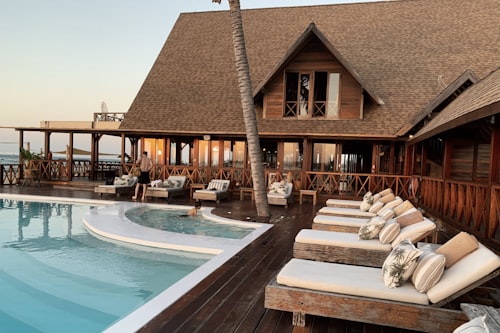
From teak wood villas to modern design hotels — Chiang Mai offers incredible value at every level. For stays of 30+ days, browse condos and serviced apartments at ThailandRentalProperties.com.
* Hotel and tour links may earn ThaiDestinations a commission at no extra cost to you.
Luxury
Four Seasons Resort
Mae Rim · 30min from Old City
Pavilions set among terraced rice paddies with mountain views. Cooking school, spa, and a serenity that's hard to leave. The gold standard in Chiang Mai hospitality.
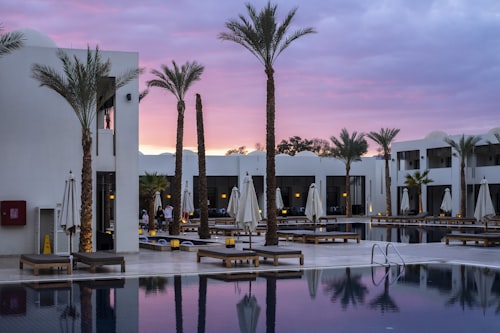
Boutique design hotel right in the heart of Nimman. Rooftop pool, craft cocktails, and interiors that photograph beautifully. The digital nomad's treat-yourself pick.
Clean, social, and perfectly located inside the Old City walls. Private pods with curtains, a communal kitchen, and the kind of traveler community that makes solo trips special.
* Hotel links may earn ThaiDestinations a commission at no extra cost to you.
Chiang Mai — frequently asked questions
What is the best time of year to visit Chiang Mai?+
November through February — cool, dry, and clear. Avoid mid-February through early April: agricultural burning across northern Thailand pushes air quality to hazardous levels (AQI often 150-300+). May through October is the green season with daily afternoon storms but lush landscapes and 30-50% lower hotel prices.
How many days do you need in Chiang Mai?+
4 to 7 days is the sweet spot. Three days covers Old City temples, Doi Suthep, and one day-trip (cooking class or elephant sanctuary). A week lets you add Doi Inthanon, Pai or Mae Hong Son loop, and slower café exploration in Nimman. Digital nomads often stay 30-90 days.
Is Chiang Mai cheaper than Bangkok?+
Yes — typically 30-45% cheaper across hotels, food, transport, and rentals. A mid-range daily budget runs ฿900-฿1,700 in Chiang Mai versus ฿1,400-฿2,800 in Bangkok. Monthly studio rentals start around ฿7,000 (vs ฿15,000+ in Bangkok).
Do I need a visa or TDAC for Chiang Mai?+
Same rules as the rest of Thailand. Most Western nationalities currently get 60 days visa-free. Every visitor must submit a TDAC (Thailand Digital Arrival Card) at tdac.immigration.go.th within 3 days before arrival. See our visa checker and TDAC checklist tools for specifics.
How do I get from Bangkok to Chiang Mai?+
Three options: a 1h 15m flight (฿900-2,200), the 13-15 hour overnight train (฿900-1,500 for a 2nd-class sleeper berth), or a 10-11 hour VIP overnight bus (฿450-700). The overnight train is a Thailand travel rite of passage — book 30+ days ahead at 12go.asia.
Is Chiang Mai safe at night?+
Yes, Chiang Mai is one of the safer cities in Southeast Asia for travelers. Petty theft and motorbike accidents are the main risks. The Old City and Nimman are well-trafficked into the early hours. Use Grab rather than waiting for songthaews late at night, and never leave your passport as a motorbike rental deposit.
Are the elephant sanctuaries ethical?+
Some are. Look for sanctuaries that prohibit elephant riding and shows — Elephant Nature Park, BLES (Boon Lott's Elephant Sanctuary), and a handful of others meet that bar. Skip any operator advertising rides, painting, or circus-style performances.
Where should I stay in Chiang Mai for the first time?+
Inside or just outside the Old City (within or near the moat) for first-timers — most temples, the Sunday Walking Street, and good food are walkable. Nimman is better for digital nomads and café culture. Riverside is quieter with mid-range hotels along the Ping River.